
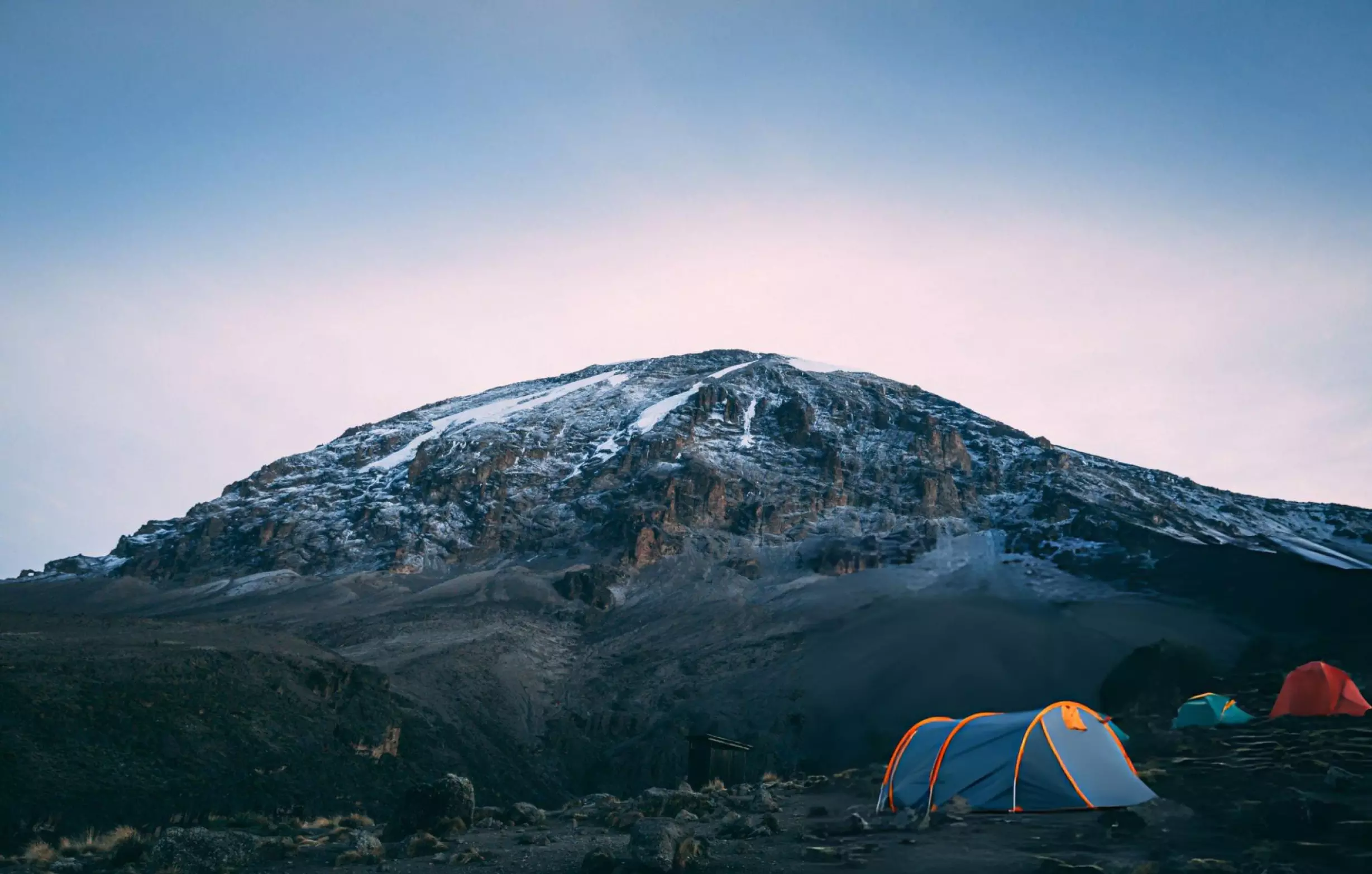
Climbing Mount Kilimanjaro in July is one of the most popular and reliable times of the year to trek. July marks the early peak of the long dry season, offering clear skies, excellent visibility, and stable weather throughout most of the climb. While this month attracts many climbers from around the world, it also provides some of the best overall conditions for a successful summit.
July is firmly within the dry season, which runs from June to October. This period is favored by trekkers who prefer minimal rain, cooler temperatures, and clear summit views.
Dry Season: July experiences very little rainfall, making trail conditions stable and predictable.
Clear Skies: Excellent visibility from the lower slopes up to the summit.
Stable Climate: Weather is generally consistent, though sudden changes can still occur at high altitudes.
Lower Elevations (Rainforest & Moorland Zones): Daytime temperatures: 20°C to 30°C (68°F to 86°F). Evenings remain cool but comfortable
Higher Elevations (Alpine Desert & Summit Zones): Night temperatures often fall below freezing. Summit temperatures typically range from –10°C to –20°C (14°F to –4°F)
Strong winds are common near Barafu Camp and during the final summit push. Windproof layers are essential to stay warm and comfortable.
July is considered one of the peak climbing months on Mount Kilimanjaro.
July is one of the coldest months at the summit, but it also provides some of the clearest and most rewarding views.
July aligns with one of Africa's most iconic wildlife spectacles:
Most routes perform very well in July due to the dry conditions. Your choice depends on your experience, crowd preference, and acclimatization needs.
One of the most scenic and popular routes
Good acclimatization profile
Typically crowded in July
Suitable for moderately experienced trekkers
Offers unmatched scenery and panoramic views
Excellent acclimatization over 7–8 days
Less crowded than Machame but still busy in peak season
Ideal for those seeking a balance of beauty and comfort
Approaches from the northern side
Drier and less crowded than the southern routes
Steady gradients, making it good for beginners
More wilderness-like compared to other trails
Only route with hut accommodations
Shorter and less physically demanding
Lower success rate due to limited acclimatization
Can become crowded during July
Very low chance of rain
Spectacular visibility
Stable weather and predictable trail conditions
Cooler temperatures ideal for trekking
Excellent wildlife viewing opportunities post-climb
High-season crowds
Cold summit temperatures
Campsites can fill up quickly—early booking advised
Daily departures are available throughout July with fully customizable itineraries. Your climb includes:
Expert KINAPA-licensed guides
Full support team of porters and cooks
All transfers before and after the trek
Pre-climb briefings and safety checks
Options for private or small-group climbs
Request a personalized July itinerary today and receive a full quote within 24 hours.